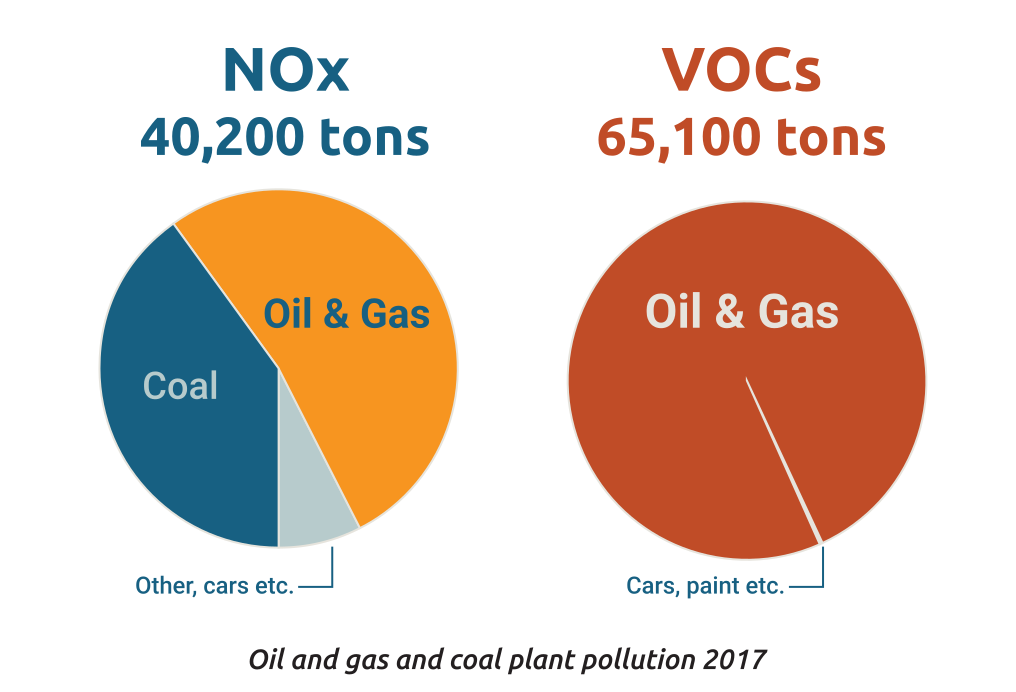
In San Juan County, oil and gas operations and coal-fired power plants are the main sources of both pollutants. At the height of regional fossil fuel activity, the two sectors released an estimated 40,200 tons of NOx and 65,100 tons of VOCs in 2017 — with oil and gas responsible for the majority of both, and coal contributing a significant share of the NOx total.
Coal combustion adds another threat: fine particulate matter small enough to lodge deep in the lungs and even enter the bloodstream. Long-term exposure to these particulates is linked to reduced lung function, heart disease, and premature death.
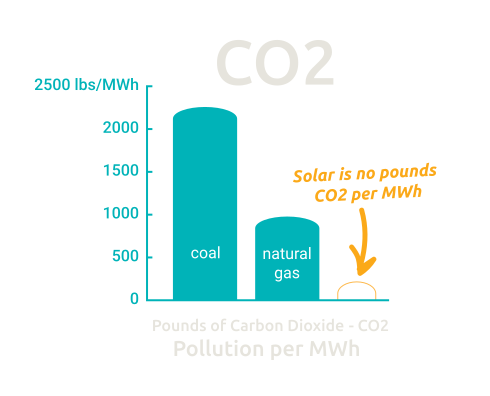
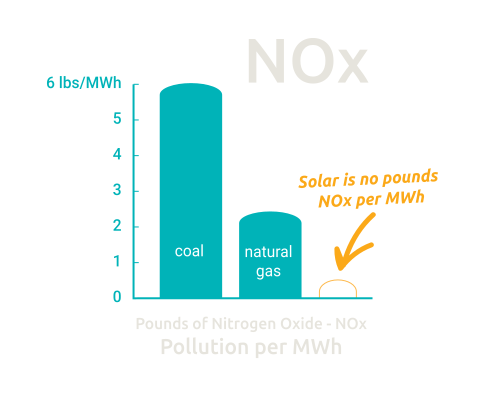
And the pollution difference isn’t small. Per megawatt-hour of electricity produced, coal emits roughly 2,257 pounds of CO2 — more than double natural gas’s 976 pounds, and worlds apart from solar’s essentially zero.

Youth
Children are especially vulnerable to air pollution: their lungs are still developing, they breathe more air relative to their body size, and active kids spend more time outdoors — especially in summer, when ozone peaks. Early exposure to coal and gas pollution is linked to slower lung development and higher lifetime asthma risk.
Miners
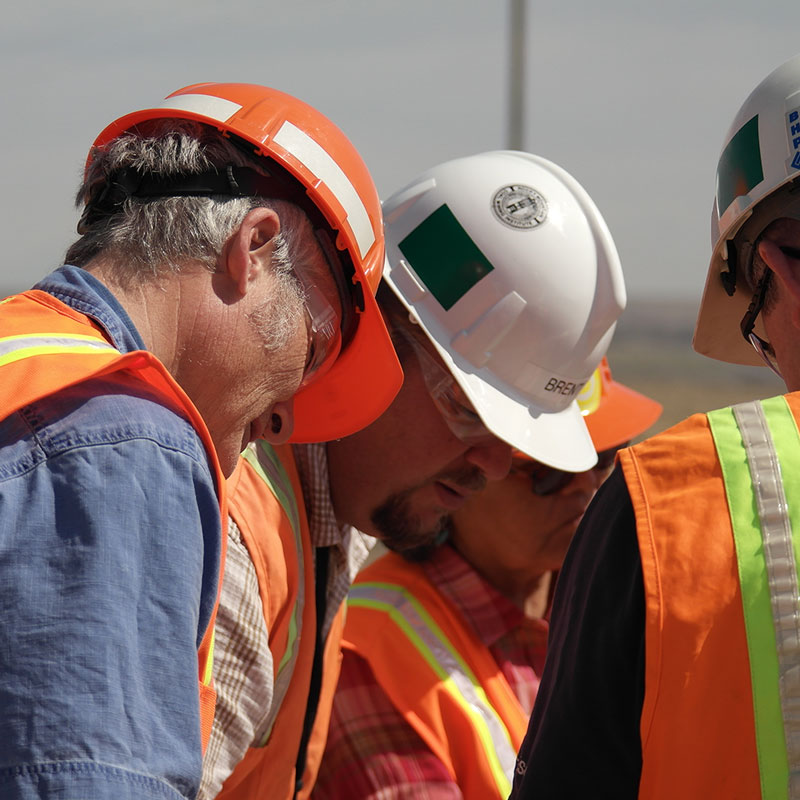
The toll didn’t start at the smokestack, either. Long before coal reached the power plant, it took a toll on the miners who extracted it and the communities living downwind of the mine — long-term coal dust exposure is linked to black lung disease and other chronic respiratory conditions.
Indigenous Communities
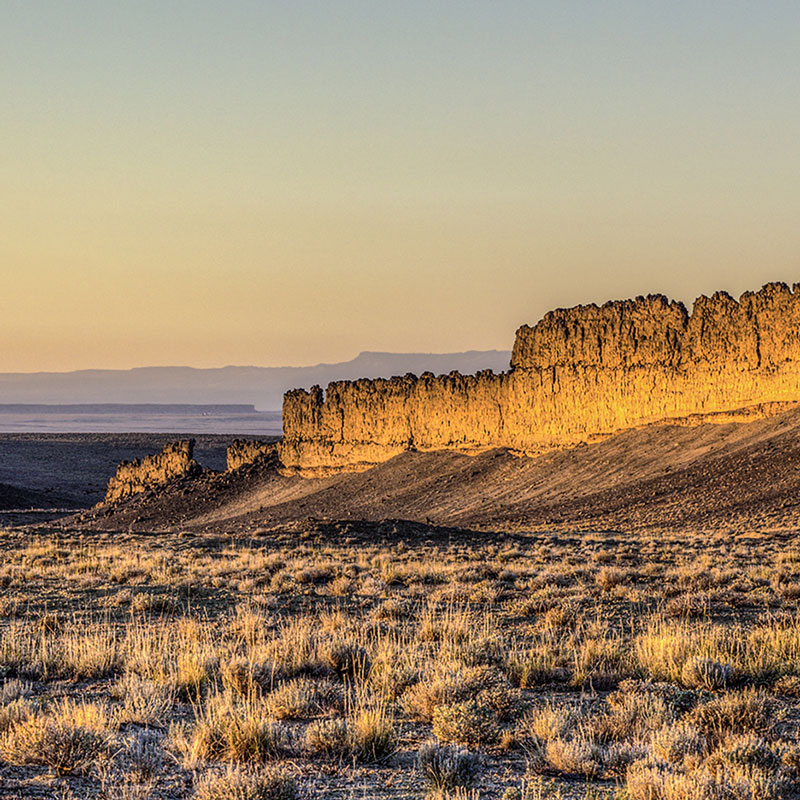
Indigenous communities have carried a disproportionate share of this burden. Navajo Nation lands sit closest to the wells, mines, and power plants driving the region’s pollution, and residents have long raised concerns about the health effects of living alongside decades of extraction.
San Juan Citizens Alliance created this website as an educational hub — a place to understand the region’s shift away from coal and gas, grounded in real data on jobs, health, water, and climate. We track this the Four Corners Clean Energy Transition closely and work to make sure it happens fairly, transparently, and in the community’s interest. Our goal is simple: the more people understand what this transition means for their community, the stronger public support and engagement will be in making it just and equitable for everyone who calls the Four Corners home.
Thank you to EcoFlight and Benjamin Hunter for their aerial images, and to Creative Geckos for other photos and design.
To learn more about the Four Corners Clean Energy Transition, what San Juan Citizens is doing, and how you can get more involved, contact us at info@sanjuancitizens.org.