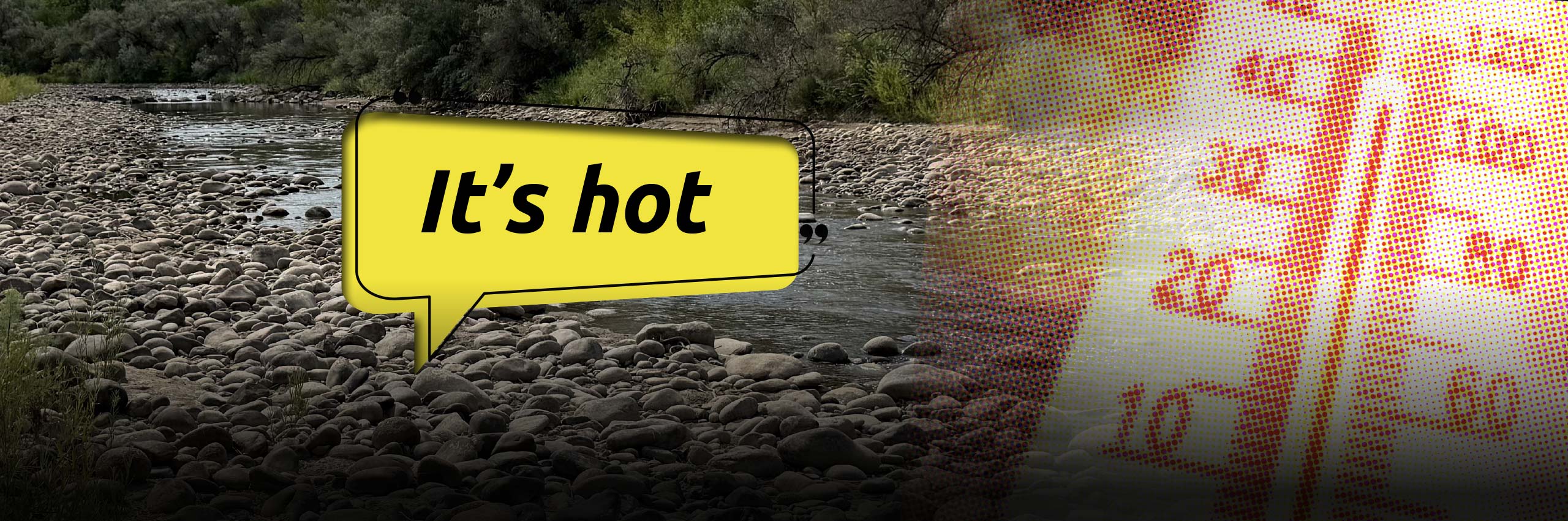

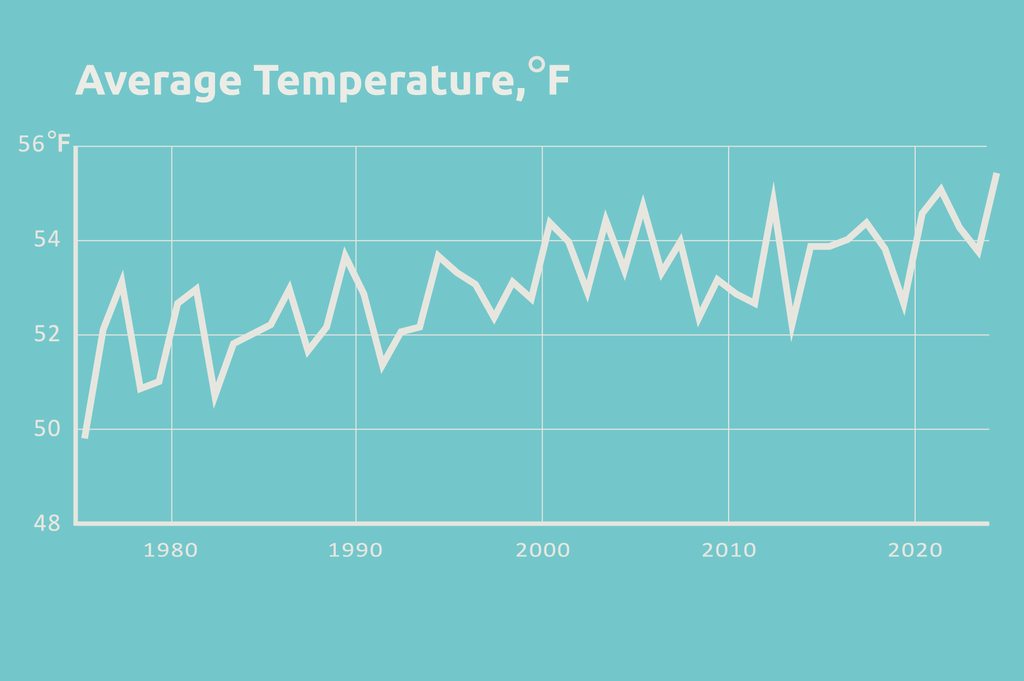
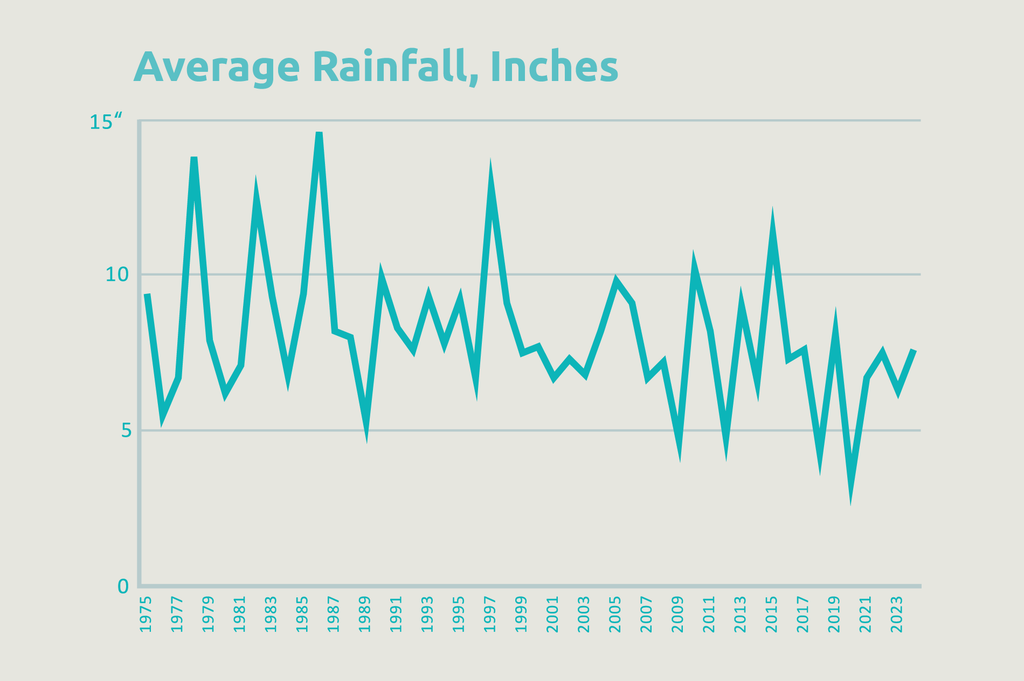
Over the past 50 years, average temperatures in our region have climbed steadily while precipitation has trended downward. These aren’t abstract global statistics — they show up here, in our own rivers and our own summers. We’re breaking local heat records almost every year, while other parts of the world see record rains and record heat of their own. Call it drought, climate change, global warming, or global weirding — the pattern is the same, and it’s accelerating.
It’s also getting more expensive. Climate change is driving up air conditioning costs and homeowner’s insurance, as wildfire and flood risk climb across the U.S. and here at home. Water scarcity and drinking water access are already top of mind locally — in a recent survey, about 70% of Four Corners residents said they’re concerned about extreme heat, drought, and climate change.
The good news: we still have a say in our climate future. Reducing greenhouse gas emissions now is what determines how much hotter and drier it gets from here.
70%
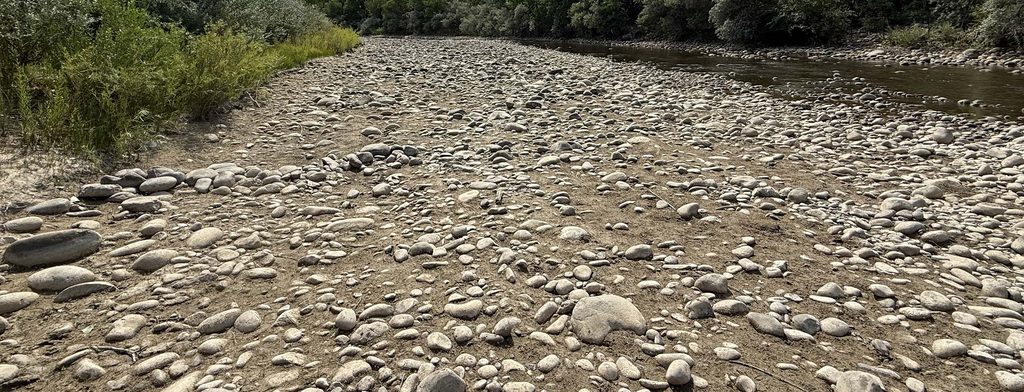
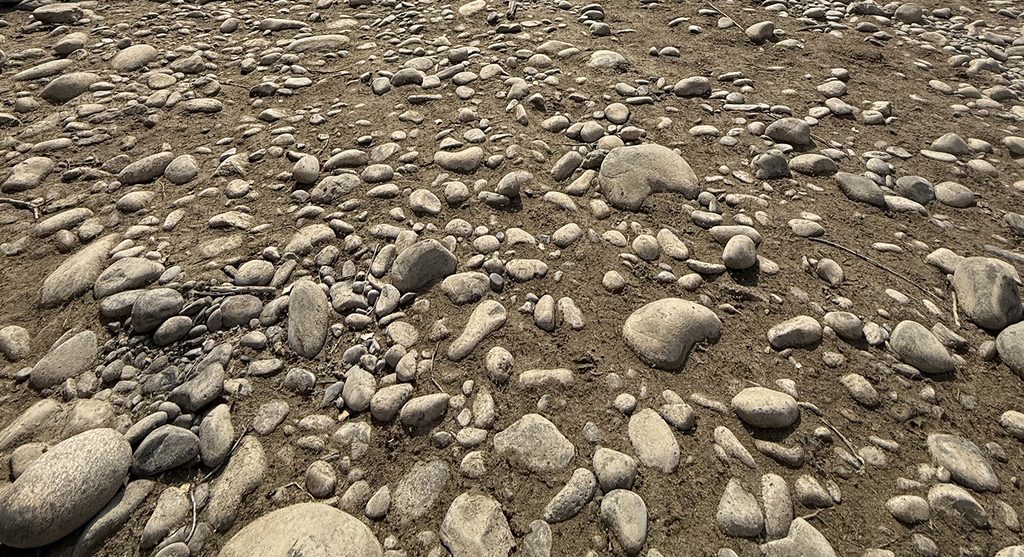
On July 15, 2026 the Animas River was running at merely 7 cfs in Farmington, New Mexico.
Here’s what’s driving these trends.
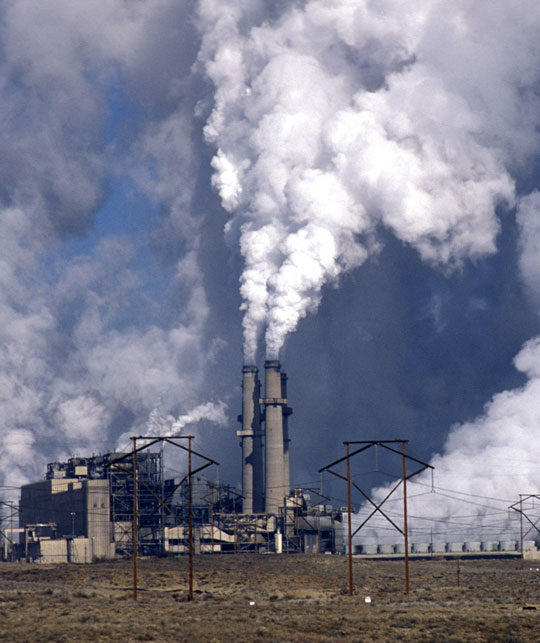
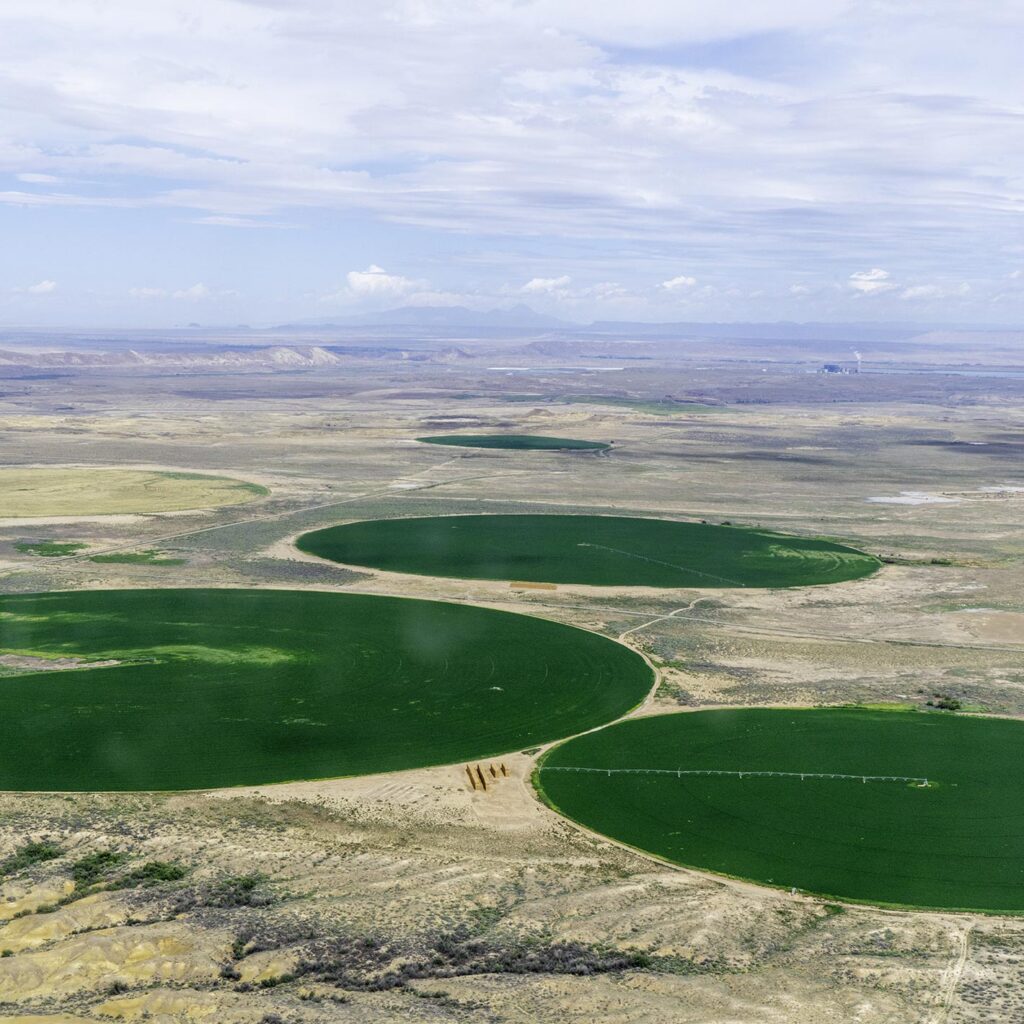
Before it went offline, the San Juan Generating Station drew from the San Juan River to cool and clean its equipment — about 20,000 acre-feet a year, or roughly 14 million gallons a day at full capacity (1,848 MW).
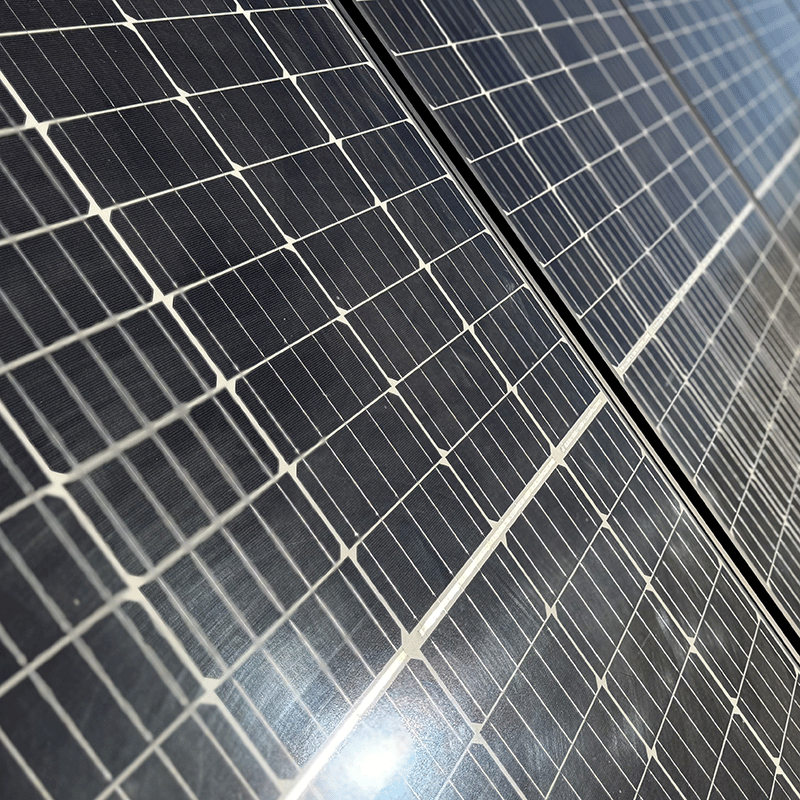
Solar saves water
Solar energy requires just 2% as much water as coal-produced energy.
Solar needs a small fraction of that. Panels don’t need daily water at all — just an occasional rinse a few times a year to clear off dust in our arid climate. Averaged out, that works out to about 137 gallons per day for every megawatt of solar capacity. Compared side by side, solar uses about 2% as much water as coal did for the same amount of power.
Clean energy drastically reduces pollution and slows climate change.
When fossil fuels like coal burn, they release carbon dioxide (CO2) and other greenhouse gases into the atmosphere. These gases trap heat that would otherwise escape into space — the same way a greenhouse traps warmth from the sun. The more we release, the more heat gets trapped, and the faster the planet warms.
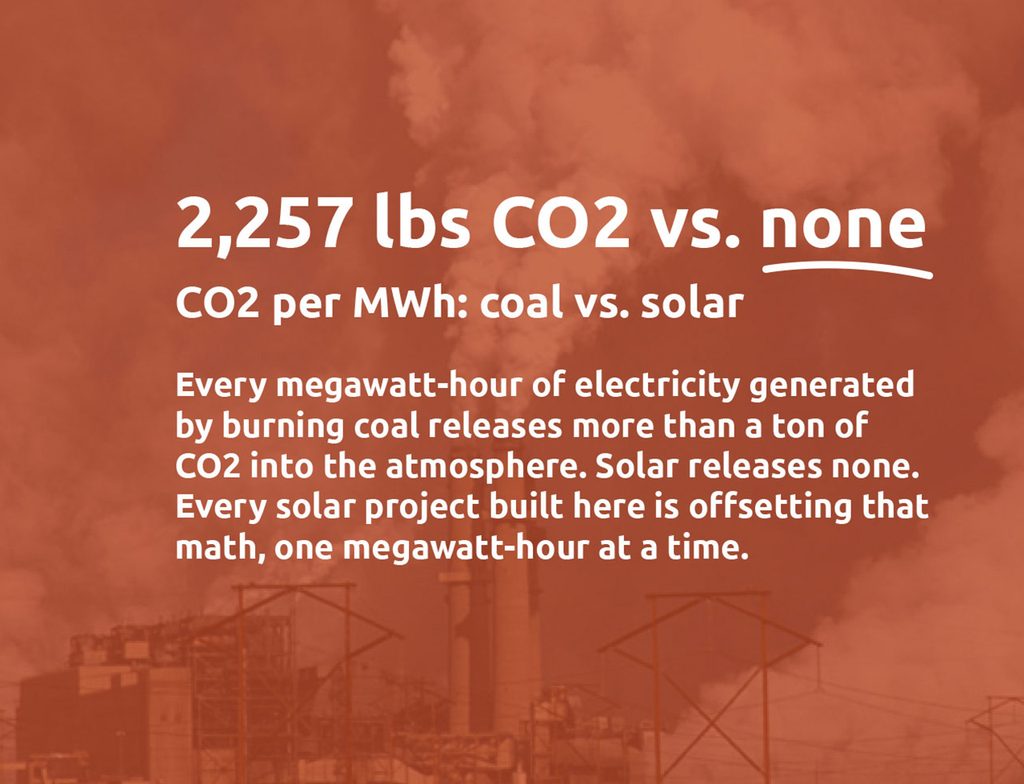
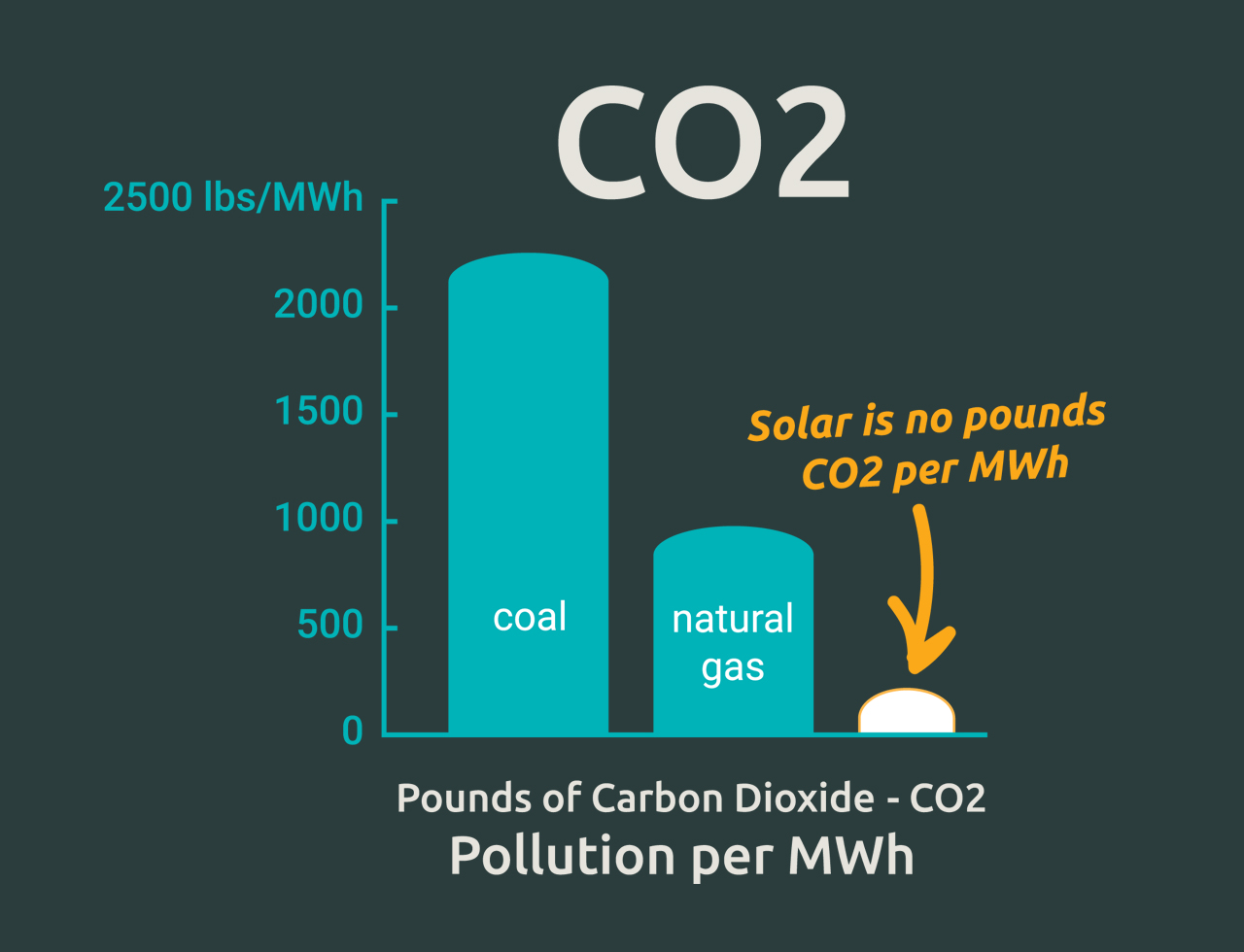
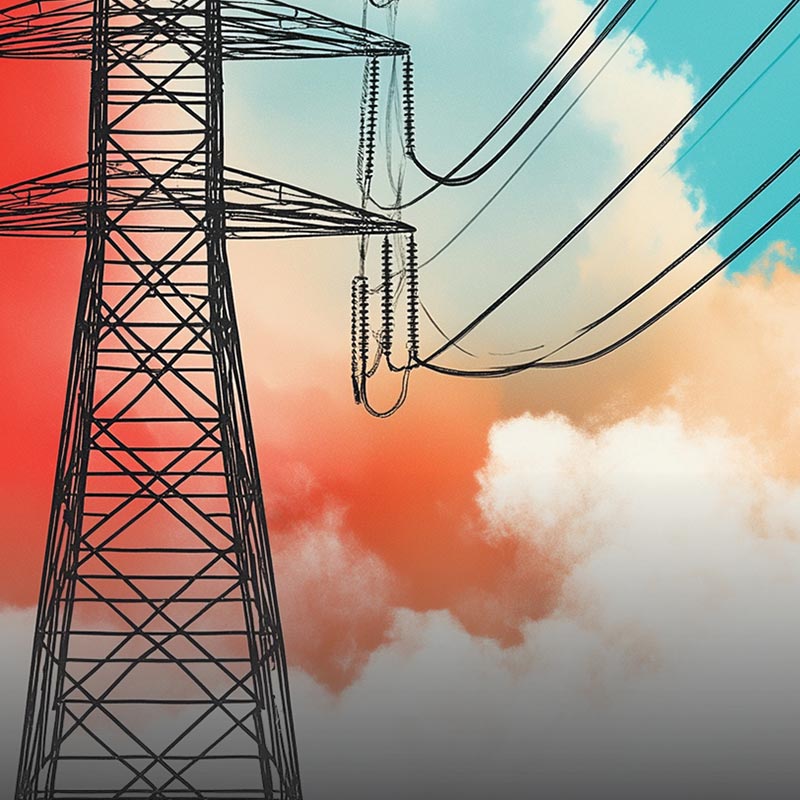
The Energy Transition is Already Underway
The good news: this isn’t a hypothetical fix — it’s already happening, right here in San Juan County. Nearly 1,000 megawatts of solar are now built or under construction on the very land the coal industry once occupied, proof this region can replace its old energy economy with a cleaner one, without starting from scratch. See the Local Solar Transition.

It’s Also Building a New Economy
The shift to clean energy isn’t just about cutting emissions — it’s building a new local economy. Solar and storage projects are creating construction jobs, generating tax revenue for schools and county services, and opening training pathways for the same workers whose livelihoods once depended on coal and gas, keeping that expertise working right here at home. See the Jobs and Tax Base Behind Clean Energy
Stay Informed and Get Involved
Understanding the problem is the first step; supporting the solutions is the next. San Juan Citizens Alliance built this site as an educational hub, grounded in real data on jobs, health, water, and climate, so our community can track this transition and help ensure it’s fair, transparent, and in everyone’s interest. Want to get involved? Reach us at info@sanjuancitizens.org.
San Juan Citizens Alliance created this website as an educational hub — a place to understand the region’s shift away from coal and gas, grounded in real data on jobs, health, water, and climate. We track this the Four Corners Clean Energy Transition closely and work to make sure it happens fairly, transparently, and in the community’s interest. Our goal is simple: the more people understand what this transition means for their community, the stronger public support and engagement will be in making it just and equitable for everyone who calls the Four Corners home.
Thank you to EcoFlight and Benjamin Hunter for their aerial images, and to Creative Geckos for other photos and design.
To learn more about the Four Corners Clean Energy Transition, what San Juan Citizens is doing, and how you can get more involved, contact us at info@sanjuancitizens.org.